
News
Greenland´s Foreign Minister Steps Down: Government in Trouble?
Greenland’s political landscape was shaken on Friday, the 13th March, after the recently elected leader of the Siumut party, Aleqa Hammond, announced that it was leaving the country’s coalition government.
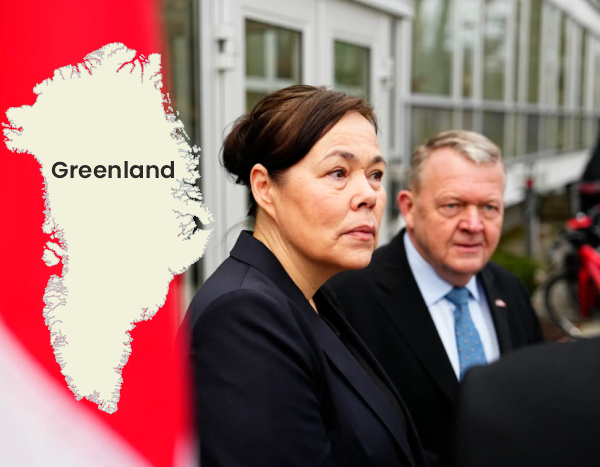 In the announcement, Hammond states that Siumut will leave the governing alliance and move into the opposition. The move marks a major shift in the governing coalition led by Prime Minister Jens-Frederik Nielsen of the Democrats. Siumut had been one of the parties in the coalition government formed after the 2025 Greenlandic parliamentary election.
Foreign minister steps down
Following the decision, Vivian Motzfeldt, Greenland’s minister for foreign affairs and a member of Siumut, stepped down from her position. Motzfeldt has served as foreign minister since 2022 and has been a key figure in Greenland’s international relations.
Her resignation came amid concerns that political divisions within Greenland could weaken the country at a time of heightened international attention. Prime Minister Nielsen reportedly described the timing of the move as “terrible,” warning that internal disagreements could be exploited by outside actors. On the same issue, Danish foreign minister Lars Løkke Rasmussen stated that "changing horses in the middle of the river is never a good thing" as Mrs. Motzfeldt has been his close cooperator in the high-profile Greenland-Denmark-USA communication lately.
Disagreements inside the coalition
The crisis reportedly stems from disagreements within the coalition, including controversy over ministers participating in upcoming Danish parliamentary elections. The issue created tension inside the government and contributed to Siumut’s decision to leave the coalition.
Some members of Siumut opposed the decision to withdraw from government, arguing that political unity is especially important given the international situation surrounding Greenland.
Greenland at the center of geopolitical attention
The political turmoil comes as Greenland has become increasingly important on the global stage. The Arctic island’s strategic location and natural resources have drawn growing attention from major powers.
U.S. President Donald Trump has repeatedly expressed interest in bringing Greenland under U.S. control, a proposal that Denmark and Greenlandic leaders have firmly rejected. The idea has intensified international focus on the Arctic territory and raised concerns about geopolitical competition in the region.
Greenland is a self-governing territory within the Kingdom of Denmark, with authority over most domestic matters, while Denmark retains responsibility for defense and some foreign affairs.
Uncertain political outlook
Siumut has historically been one of Greenland’s most influential political parties, traditionally advocating greater autonomy and eventual independence from Denmark. The 2025 election marked a major decline for Siumut, reducing it from a historic powerhouse in Greenlandic politics to a small fourth-place party with only 15% of the votes and four seats out of 31.
With the party now leaving the governing coalition, the balance of power in Greenland’s parliament may shift. Analysts say the move could reshape the political dynamics in Nuuk and influence debates about Greenland’s future relations with both Denmark and the United States.
The tags below provide an opportunity to view previously posted related news within the selected category