
Societies & Culture
The Arctic is not only a place of ice and extreme environments. It is home to rich cultures, resilient communities, and deep‑rooted traditions that have developed over thousands of years in close connection with the land, the climate, and the natural world.
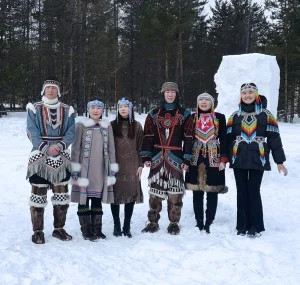
Across the Arctic, Indigenous peoples have built ways of life uniquely adapted to seasonal cycles, long winters, and challenging landscapes. Their knowledge systems, languages, and cultural practices reflect a deep understanding of the environment and continue to play a vital role in Arctic societies today. Alongside these living cultures, the Arctic is also home to a rich tradition of stories, myths, and folklore that express how people have interpreted nature, darkness, light, and survival in the North.
In this section, you can find educational material exploring the people and cultures of the Arctic through profiles of Indigenous communities and examples of traditional beliefs and folklore. From Arctic Indigenous peoples to Nordic winter traditions, these topics highlight the cultural diversity, creativity, and resilience that define human life in the Arctic.
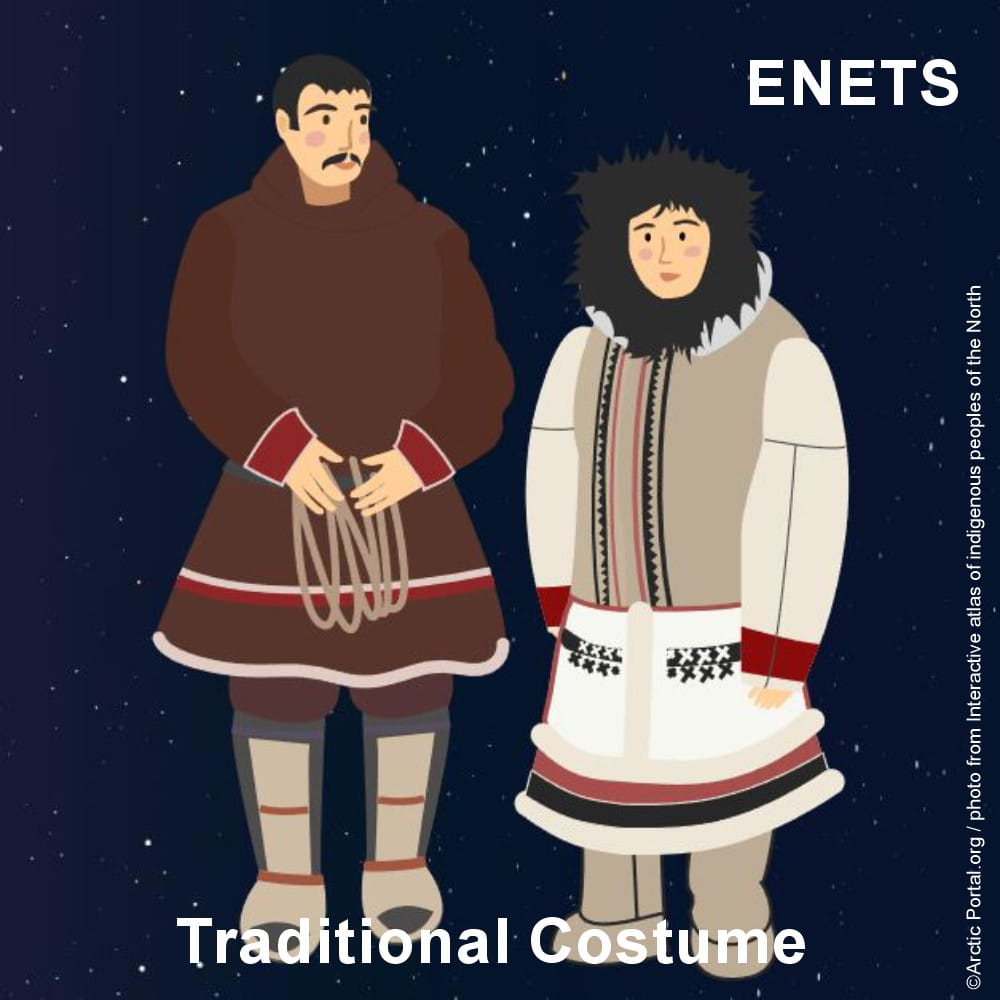
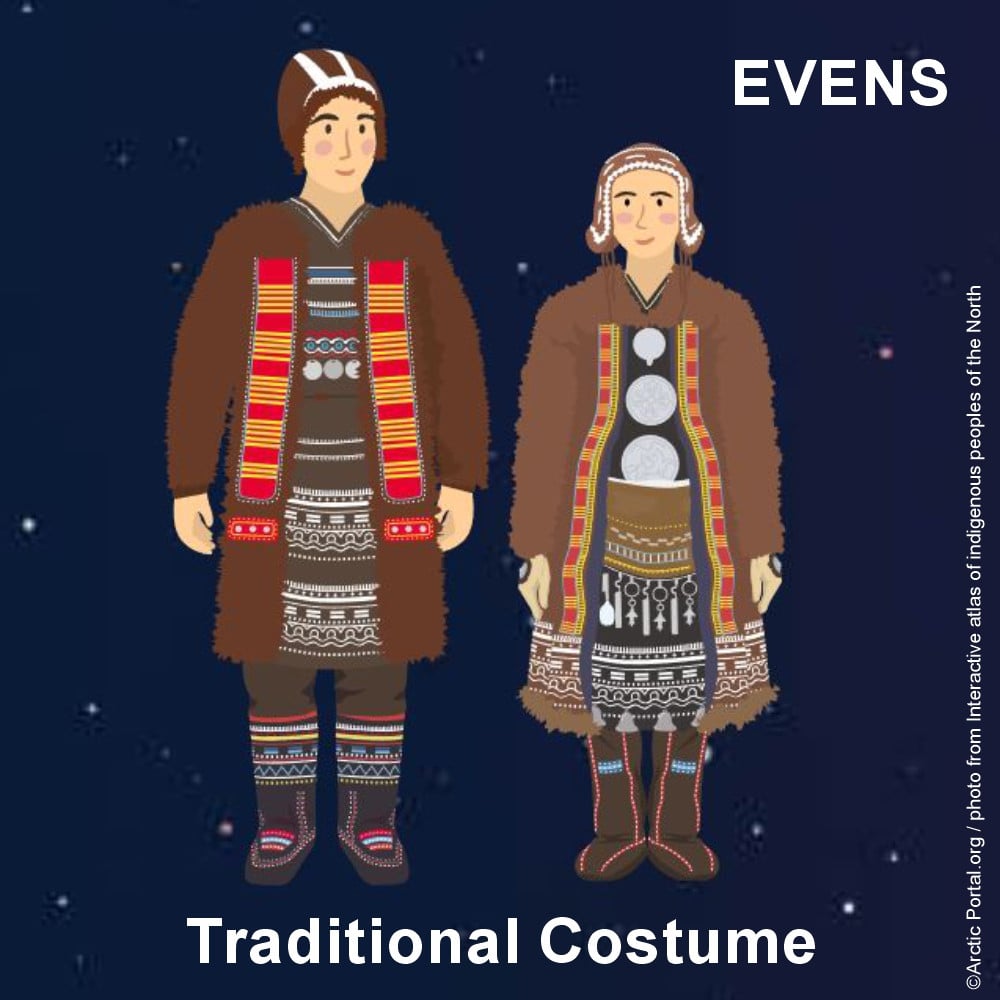
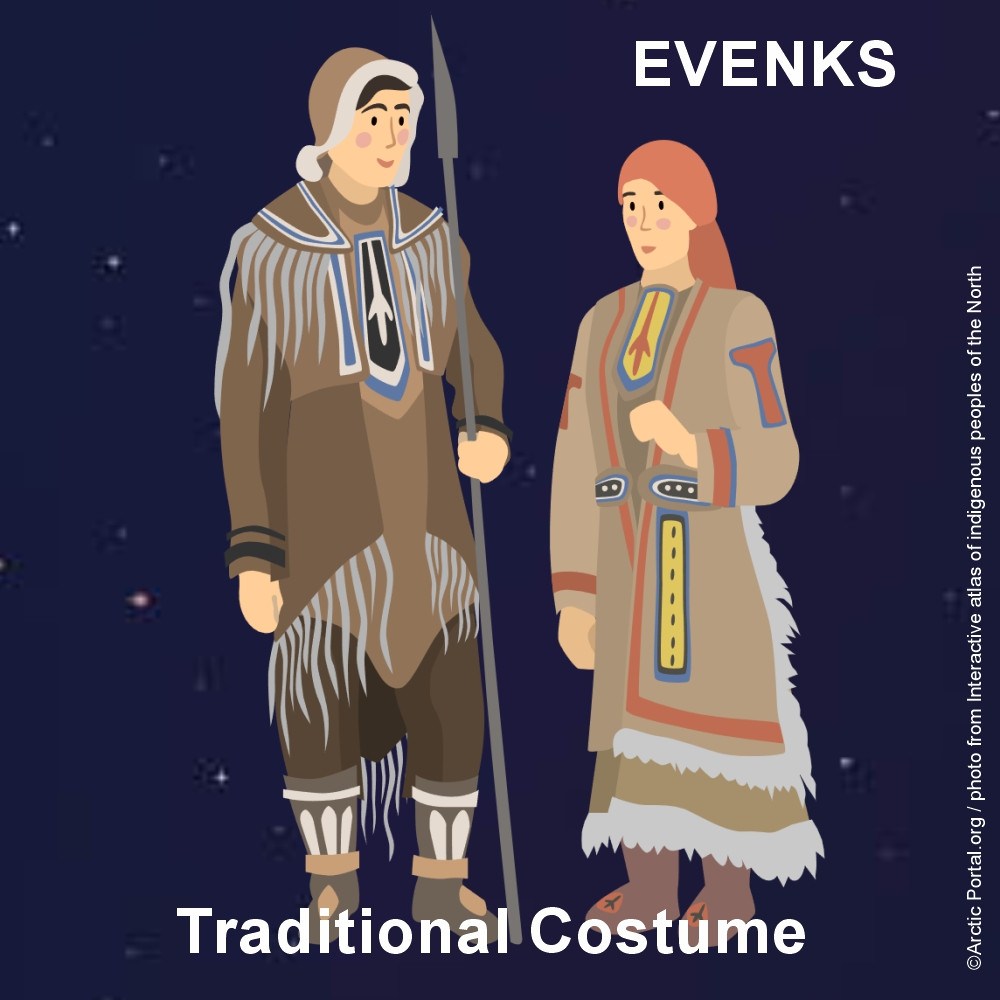
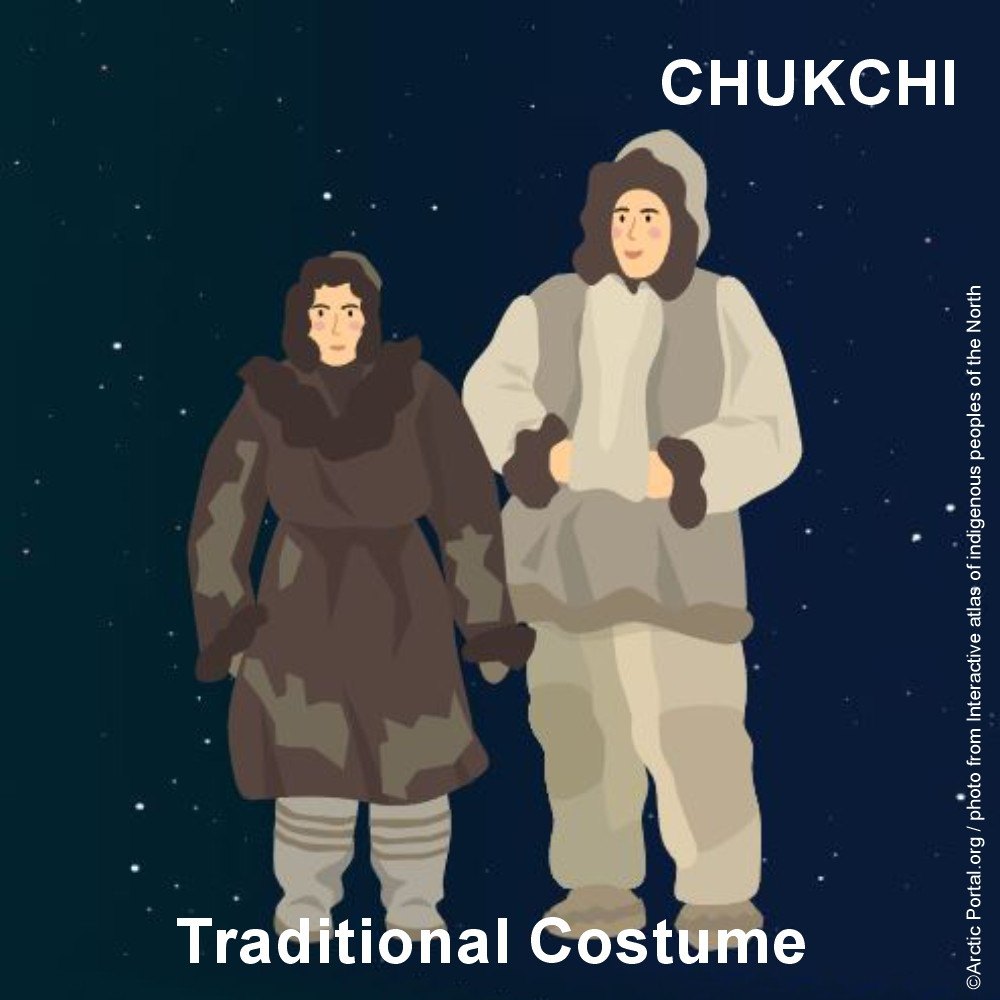
Education material in slideshow format with information text about the people in the arctic and their culture.


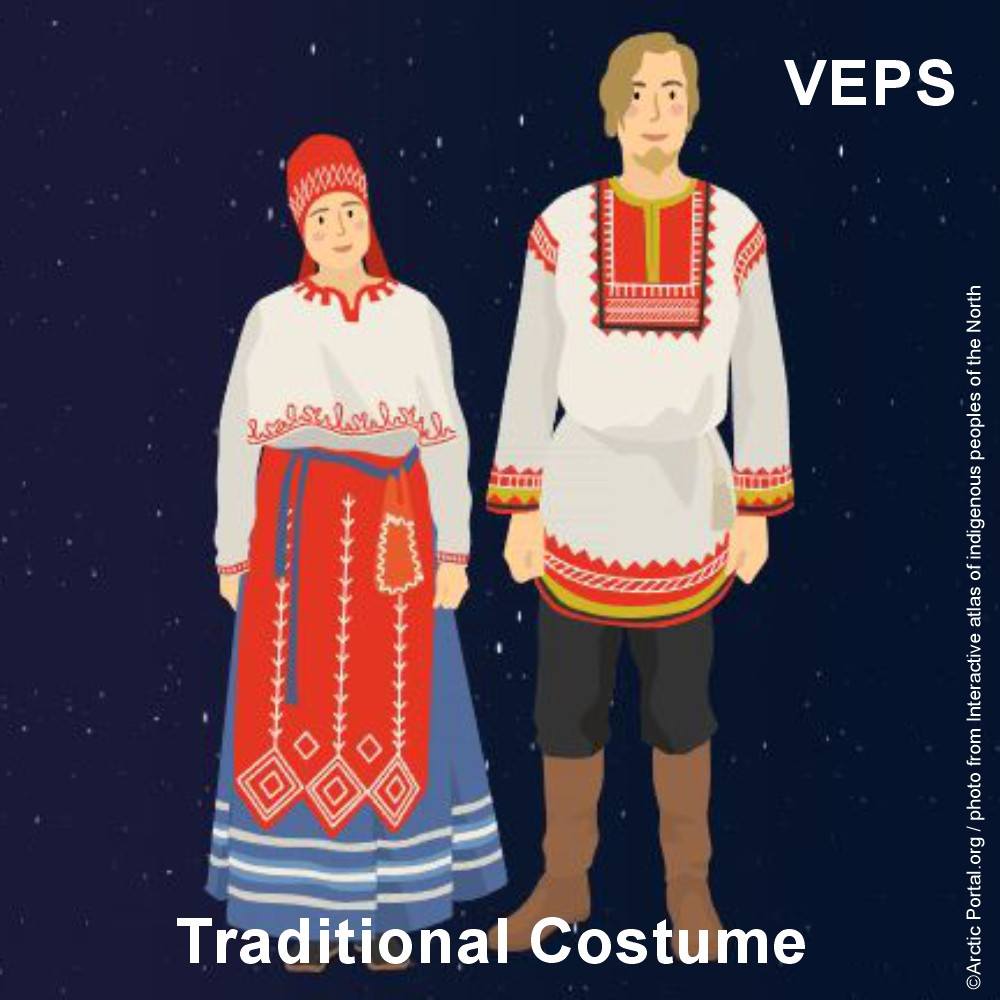
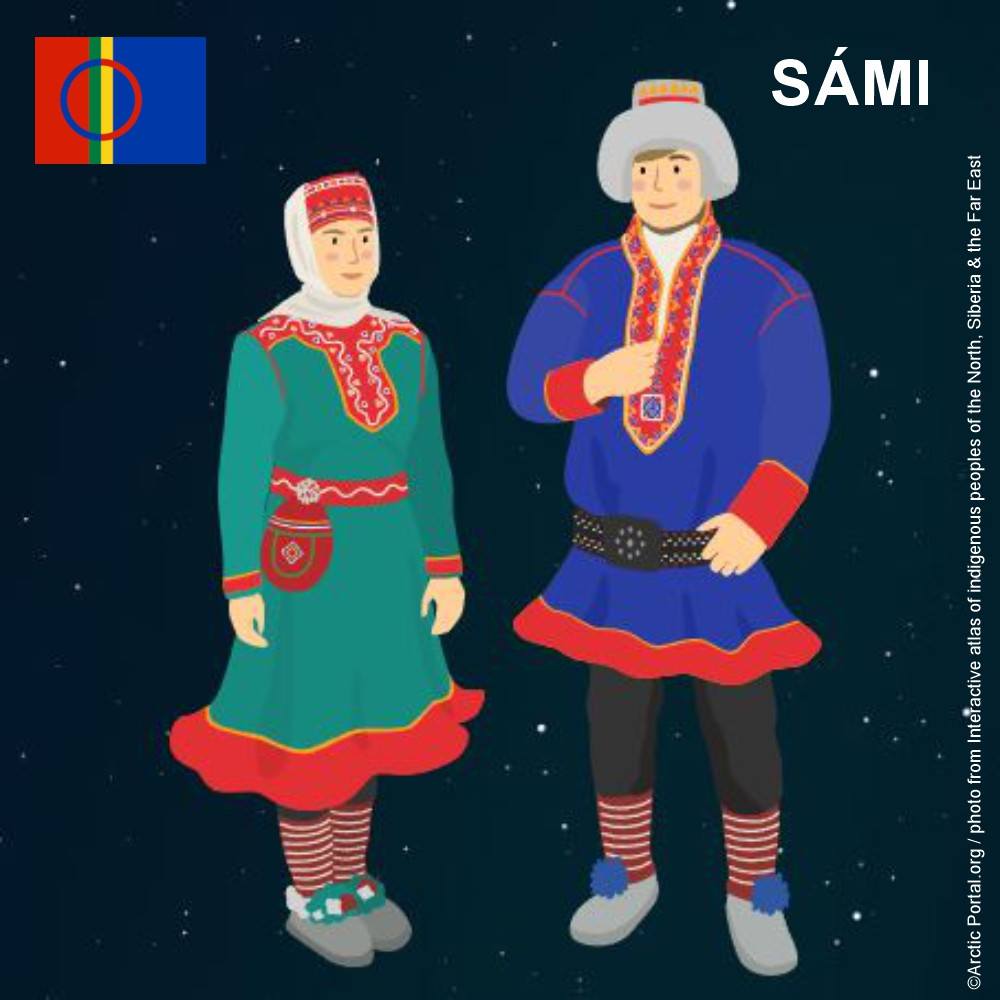
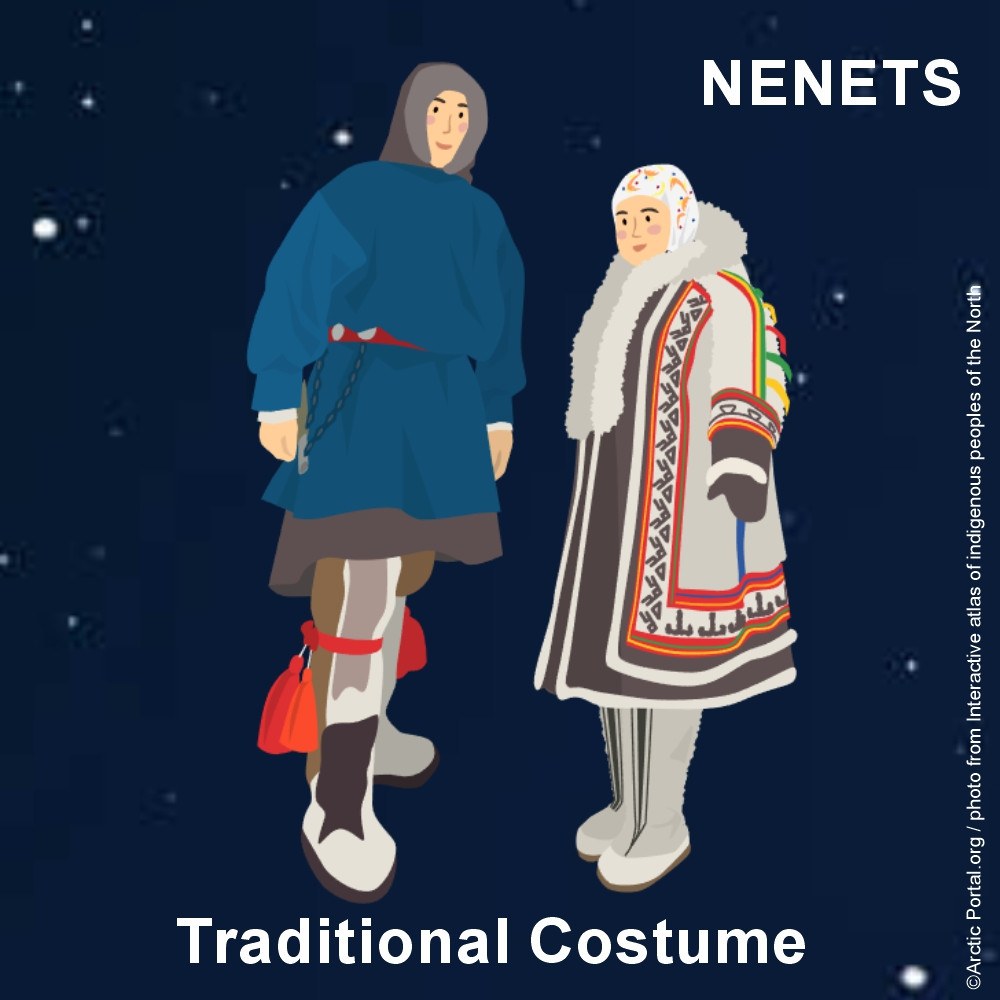
Quickfacts Categories
Arctic Portal.org - 2026 © All rights reserved.
When quoting, reusing or copying any material on the arcticportal.org or any of its sub-sites including but not limiting to: information, news, articles, data, maps or images, in part or in full, a citation stating the origin and a hyperlink to www.arcticportal.org is required.