
Environment & Science
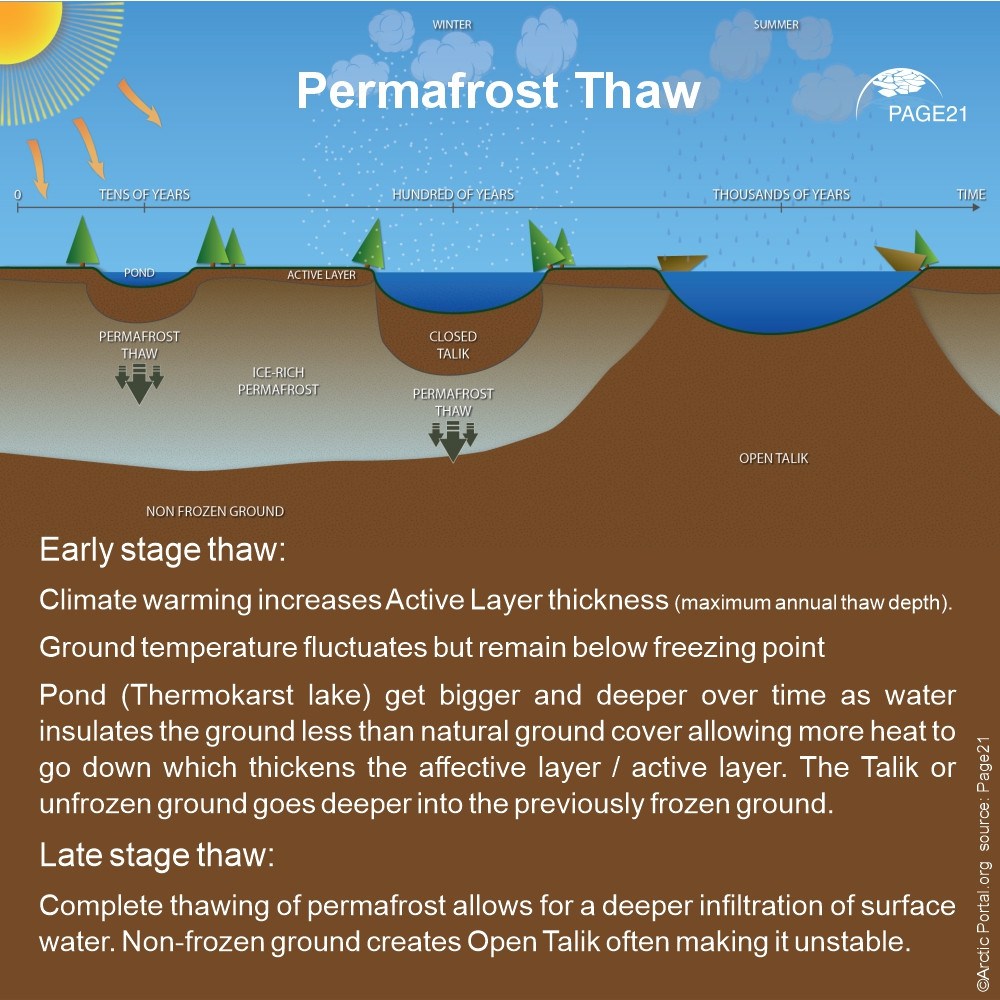
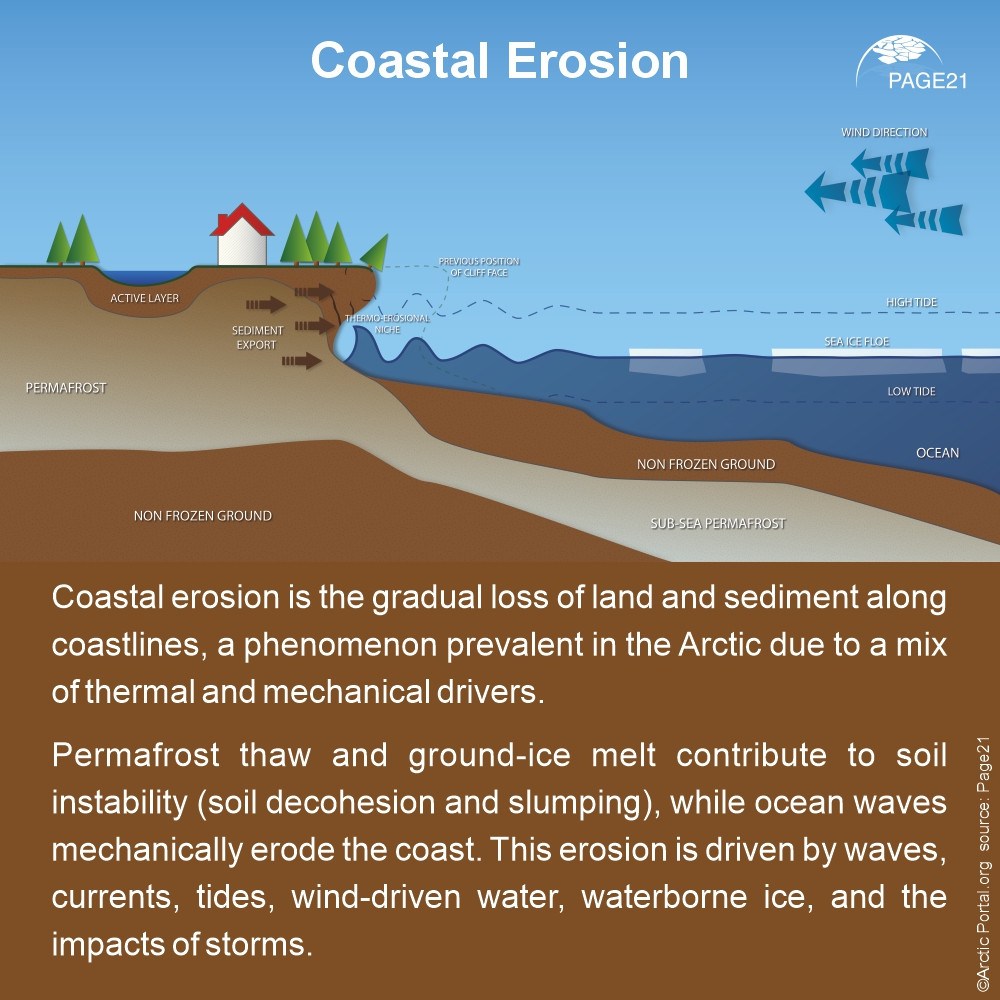
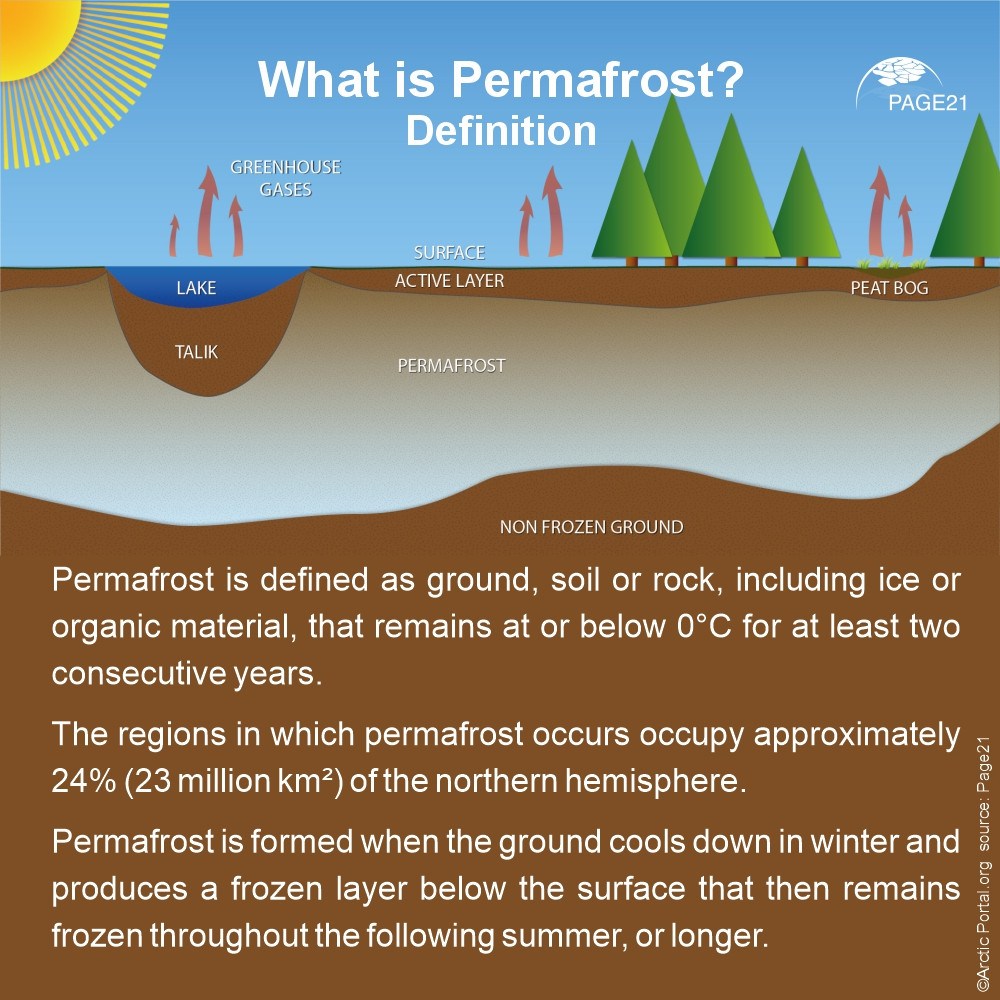
Here, you can explore the key environmental processes shaping the Arctic today. Topics such as permafrost thaw, permafrost coastal erosion, and ongoing scientific research highlight how rapid environmental change is transforming Arctic landscapes and ecosystems.
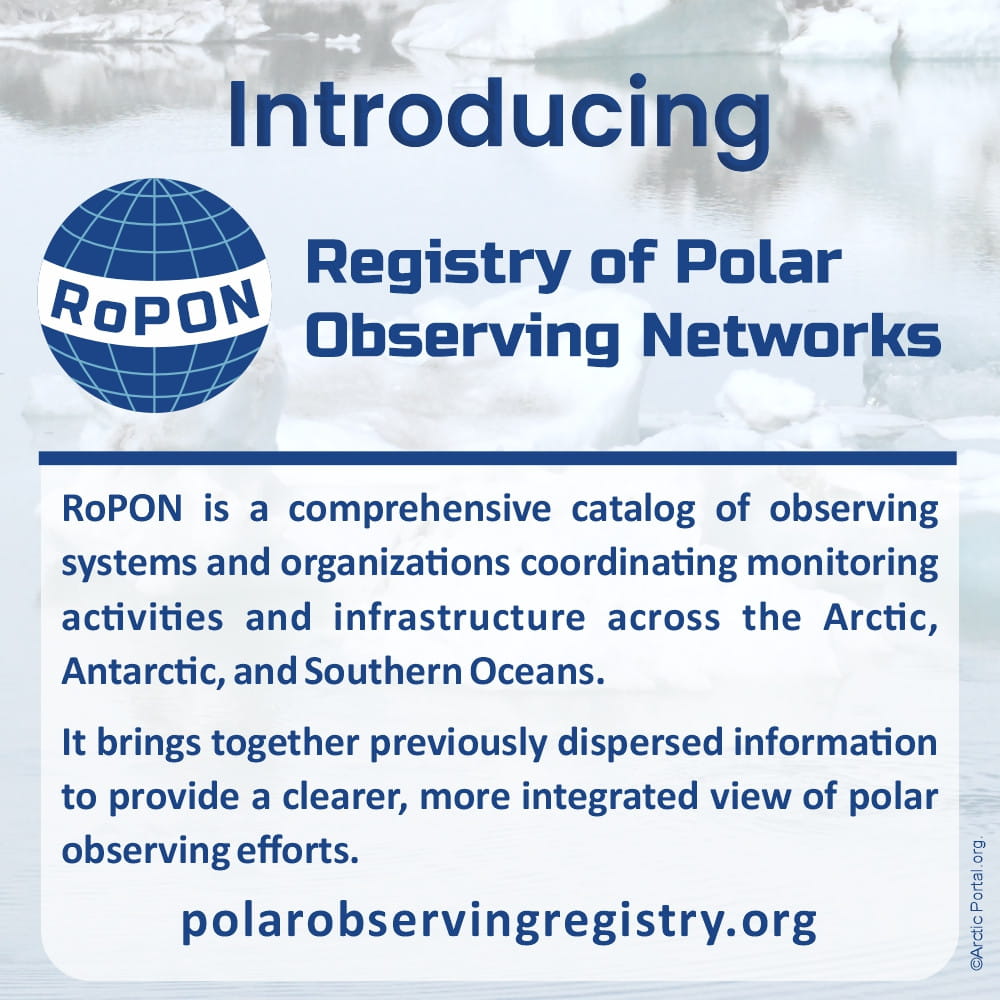
The Arctic is a key region for the study of global environmental change. Its unique ecosystems and extreme conditions make it a natural laboratory for scientific research, where changes often occur faster and more visibly than in other parts of the world. Scientists monitor these processes through field studies, long‑term observations, and international research networks to better understand how the Arctic responds to rising temperatures.
Research conducted in the Arctic provides valuable insights into climate dynamics, sea‑level rise, ecosystem stability, and carbon cycles. Because many Arctic environmental processes have effects beyond the region itself, studying them helps improve our understanding of environmental change at both regional and global scales.
Education material in slideshow format with information text about the environment and science in the arctic.
Quickfacts Categories
Arctic Portal.org - 2026 © All rights reserved.
When quoting, reusing or copying any material on the arcticportal.org or any of its sub-sites including but not limiting to: information, news, articles, data, maps or images, in part or in full, a citation stating the origin and a hyperlink to www.arcticportal.org is required.