
News
Iceland Welcomes Summer—Even in the Snow
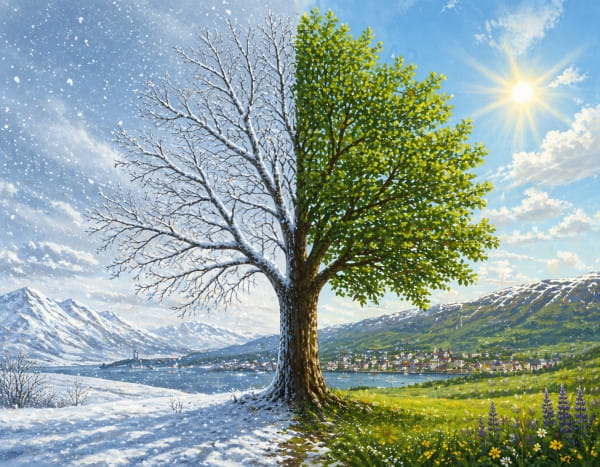
While much of the world waits for warmer temperatures to signal the arrival of summer, Iceland celebrates the season’s beginning in a way that may seem surprising: often with frost still in the air. Each year, Icelanders mark Sumardagurinn fyrsti, the First Day of Summer, on the first Thursday after April 18, a centuries-old tradition rooted in the country’s unique calendar and cultural heritage.
A Tradition Rooted in the Old Norse Calendar
The holiday, which falls between April 19 and April 25, dates back to the Old Norse calendar, when the year was divided into just two seasons: winter and summer. Summer began with the month of Harpa (mid-April to mid-May), symbolizing longer days and the gradual return of light after the long northern winter.
A Celebration of Optimism
Despite its name, the First Day of Summer rarely brings warm weather. Snowfall and freezing temperatures are not uncommon, yet the celebration is less about the climate and more about optimism. The day marks the symbolic end of winter and the promise of brighter times ahead.
Across Iceland, communities gather for parades, outdoor festivities, and family-friendly events. Children often receive small presents known as sumargjafir (summer gifts), a tradition that predates Christmas gift-giving in Iceland by centuries.
 Akureyri’s Children’s Ski Tournament
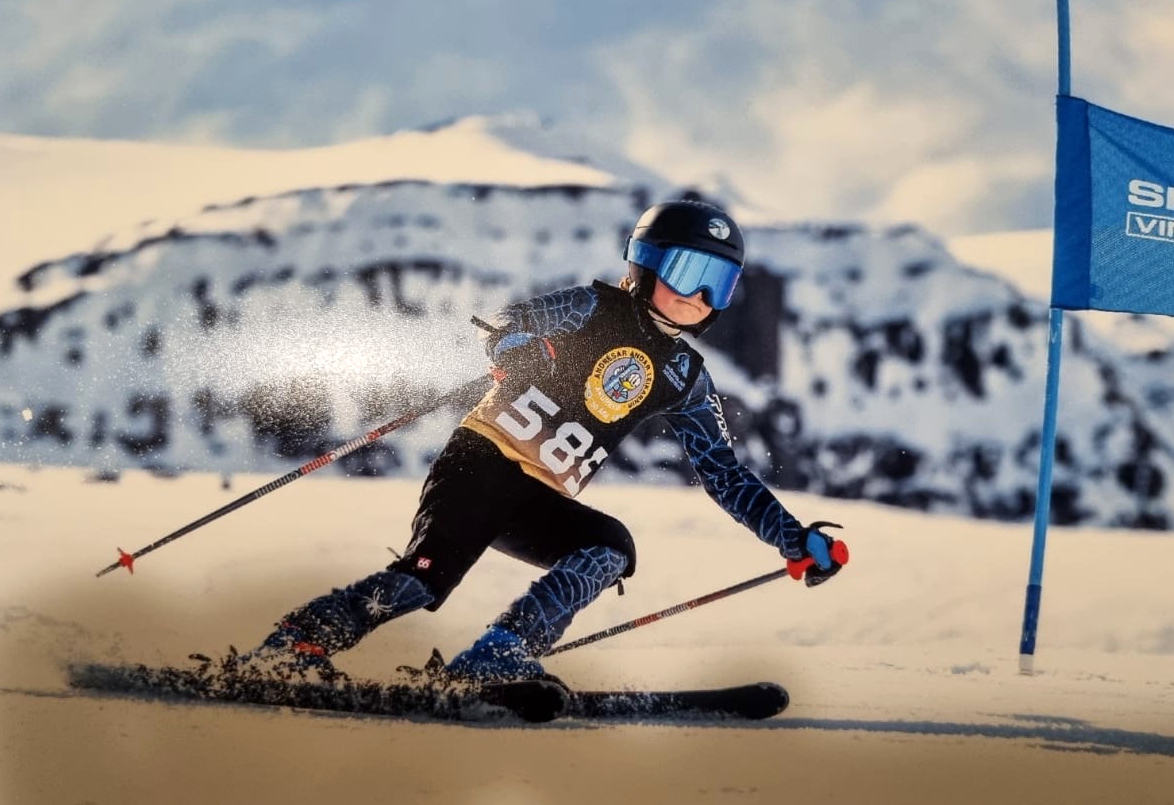
In Akureyri, the hometown of Arctic Portal in North Iceland, the arrival of summer is traditionally marked by the children’s ski tournament Andrésar Andarleikar (the Donald Duck Ski Tournament). Young skiers from across Iceland gather in Akureyri to celebrate the end of the ski season and take part in this popular event.
The tournament begins on the Wednesday before the First Day of Summer with a festive parade, followed by ski competitions held on the slopes of Hlíðarfjall above Akureyri on Thursday (the First Day of Summer), and continuing through Friday and Saturday. This year marks the 50th anniversary of the games, highlighting their long-standing role in Iceland’s sporting and cultural calendar. The event is one of Iceland’s most popular youth sporting gatherings, attracting participants from all over the country each year.
Folklore and Nordic Connections
Folklore also plays a role in the celebration. According to tradition, if the temperature drops below freezing on the night before the holiday, when “summer and winter freeze together” it is considered a sign of a good summer to come.
Although particularly strong in Iceland, the roots of this celebration are shared across the Nordic world. Similar seasonal markers existed in other Scandinavian and Arctic societies, where the return of light after dark winters was of deep cultural importance.
A Living Tradition
Today, Sumardagurinn fyrsti remains a public holiday and a vivid example of how ancient traditions continue to shape modern life. Whether greeted by sunshine or snow, Icelanders mark the day with a simple phrase that captures its spirit: “Gleðilegt sumar” - Happy Summer.
Sources: Vísindavefurinn, Íslenskt Almanak,
Related news:
The tags below provide an opportunity to view previously posted related news within the selected category