
News
Greenland moves to pause giving out licenses for deep-sea mining until 2029
The Parliament of Greenland passed a proposal in October to order the country’s government to draft legislation that prohibits deep-sea mining for the next two years.
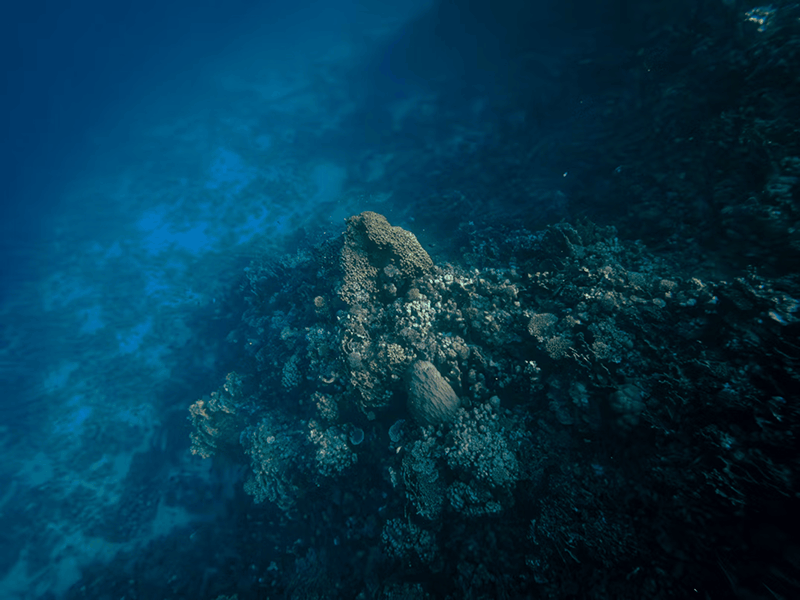
Image Credit: Unsplash / Taras Terletskyy
Last month, on October 15th, the Inatsisartut, the Parliament of Greenland, passed a proposal that will order the Naalakkersuisut, the country’s government, to draft legislation that will temporarily suspend the “issuance of licenses for preliminary exploration and extraction of seabed minerals”. While this suspension will expire in December 2029, the Naalakkersuisut will be able to extend it in two-year increments.
The Rapporteur’s statement on the current decision states that Greenland must “exercise caution while knowledge remains limited, and at the same time closely follow future developments in research.” According to the statement, scientific knowledge regarding the environmental impacts of deep-sea mining is still very limited and if the deep-sea environment were to be damaged, restoration could take a very long time, and in some cases would be impossible.
The resolution was first proposed in February 2026 by Pipaluk Lynge, a representative of the Inuit Ataqatigiit party. In the original proposal, she stated concerns over endangering Greenland’s marine environment due to other countries’ interest in deep-sea mining, and potential impacts on game animals and fishing.
Deep sea mining: a controversial practice
Due to the importance of critical materials such as lithium, cobalt, and nickel in batteries, wind turbines, consumer electronics, and more, the demand for them has vastly increased. Although these minerals can be found on land, they are also present in polymetallic nodules and crusts on the seafloor. As a result, interest in deep-sea mining has increased in recent years. The environmental impacts of seabed mining are poorly understood, because the composition and distribution of marine communities on the seafloor is still under-researched.
The UN Convention on the Law of the Sea (UNCLOS), ratified in 1982, established the International Seabed Authority (ISA) in 1996, which regulates seabed mining in waters beyond countries’ national jurisdiction. UNCLOS states that seabed resources are the common heritage of humankind, and the ISA accordingly incorporates a system of profit-sharing mechanisms and reserved areas for developing countries. The ISA is currently developing regulations for commercial exploitation of seabed minerals.
Other countries have already made decisions on deep-sea mining. While Norway became the first European country to allow it back in 2024, it decided to pause the practice in early 2026, until at least 2029, just like Greenland. In comparison, United States, which is not a party to UNCLOS, has taken steps to facilitate commercial deep-sea critical minerals mining, both within the United States exclusive economic zone and in international waters beyond national jurisdiction. This came as part of US. President Donald Trump’s executive order from April 2025 called Unleashing America’s Offshore Critical Minerals and Resources, the Bureau of Ocean Energy Management (BOEM).
Sources: Euronews, Inatsisartut, Mongabay News, European Interest, BBC, Mining.com, Harward Law School Environmental and Energy Law Program Regulatory Tracker – Deep Sea Mining
Relevant articles:Greenland, Denmark and US sign Arctic security agreement naming two future defence locations
The tags below provide an opportunity to view previously posted related news within the selected category