
News
Von der Leyen Visits Greenland as EU Unveils €200 Million Investment
The EU is stepping up its engagement in Greenland with a new €200 million investment package, announced during Ursula von der Leyen’s visit to Nuuk. The funding will target connectivity, clean energy, critical raw materials and projects aimed at supporting Greenland’s economy and communities.
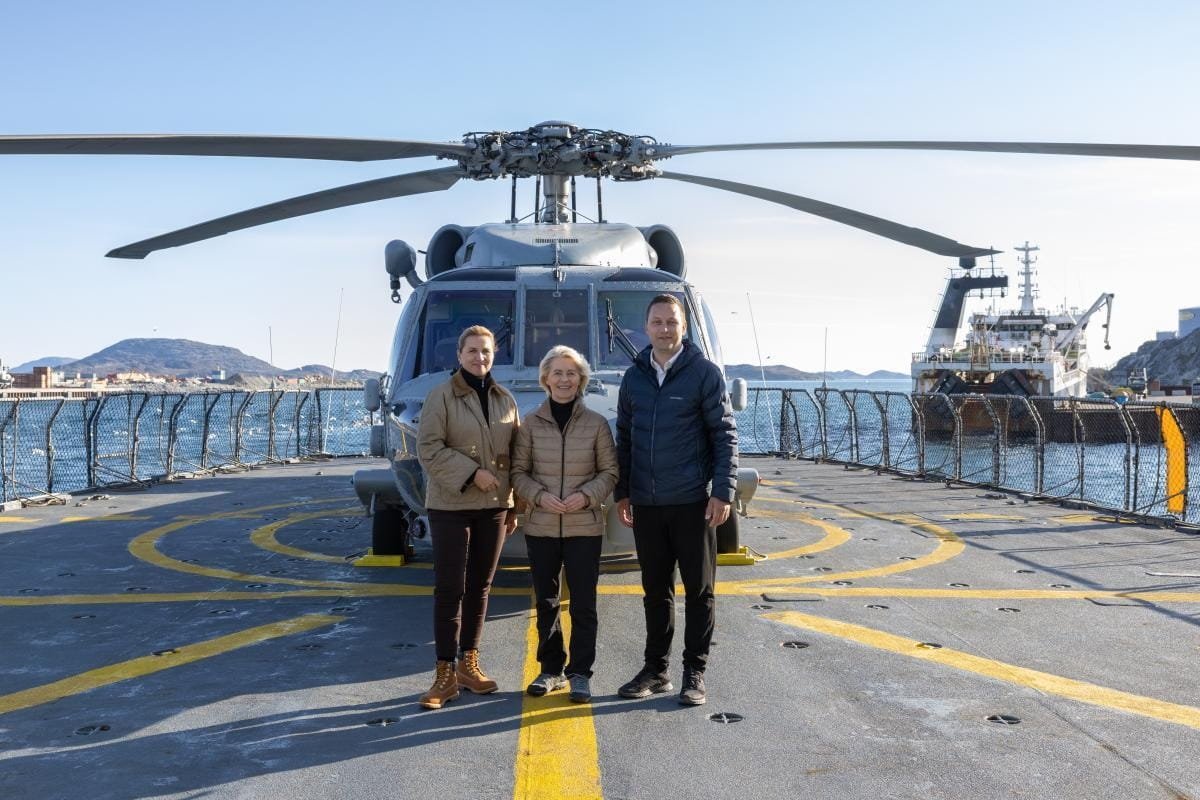
Mette Frederiksen, Ursula von der Leyen and Jens-Frederik Nielsen during the visit to Greenland, September 2026. Photo: © European Union, 2026, licensed under CC BY 4.0.
President von der Leyen said:
“Greenland can count on the EU. That was my message during my last visit. Today, I am back to deliver the real results of our close cooperation. With a new EU-Greenland Partnership package, worth €200 million. This will create new opportunities and a strong and engaged EU in both Greenland and the Arctic. Because Greenland is a strategic ally and a trusted friend.”
The European Union is expanding its engagement in Greenland with a new €200 million investment package covering connectivity, clean energy, critical raw materials and local economic development. Announced in Nuuk by European Commission President Ursula von der Leyen, the agreement signals a broader European commitment to Greenland at a time when the island is attracting growing international attention.
The €200 million Global Gateway Partnership Package will be invested in and with Greenland during 2026 and 2027. It was announced during von der Leyen’s visit to Nuuk on 7 September, alongside a new Joint Declaration between the European Union, Greenland and Denmark.
The declaration was signed by von der Leyen, Greenlandic Premier Jens-Frederik Nielsen and Danish Prime Minister Mette Frederiksen, reinforcing cooperation between the three sides and expanding it into areas increasingly important for Greenland’s future.
From education and fisheries to energy and connectivity
Relations between Greenland and the EU have traditionally focused on areas such as education and fisheries, but the new partnership significantly broadens that cooperation. Planned investments will support satellite and cable connectivity, hydropower and critical raw materials, while also targeting areas with a more direct impact on local communities, including housing, sustainable tourism and support for small businesses.
Digital connectivity is one of the key elements of the package. Better satellite and cable infrastructure could improve connections within Greenland and with the rest of the world, particularly important for communities spread across such a vast territory. Energy is another major focus, with cooperation on hydropower aimed at supporting Greenland’s renewable-energy potential, while critical raw materials add a strategic dimension to the partnership.
At the same time, the package is designed to support everyday life and local economic development. According to the European Commission, the overall aim is to strengthen Greenland’s economic resilience, support sustainable development and create new opportunities for people and businesses across the country.
Greenland's growing importance in the Arctic
The agreement also reflects a wider change in the EU’s relationship with Greenland.
Greenland has become increasingly important in discussions about Arctic security, energy, infrastructure and access to strategic resources. Its geographic position between North America and Europe, together with its mineral resources and role in the changing Arctic, has placed the island at the centre of growing international attention.
Von der Leyen made the EU’s intentions clear during the announcement:
“Greenland can count on the EU.”
She described Greenland as both a “strategic ally” and a “trusted friend”, arguing that the package would contribute to a stronger European presence in Greenland and the Arctic.
The visit also comes against a more complex geopolitical backdrop. The United States has repeatedly highlighted Greenland’s importance to its national security, while European leaders have stressed Greenland’s sovereignty and territorial integrity.
This makes the new agreement more than an economic initiative. It also demonstrates the EU’s intention to remain an active partner as interest in Greenland and the wider Arctic continues to grow.
A partnership focused on Greenland's development
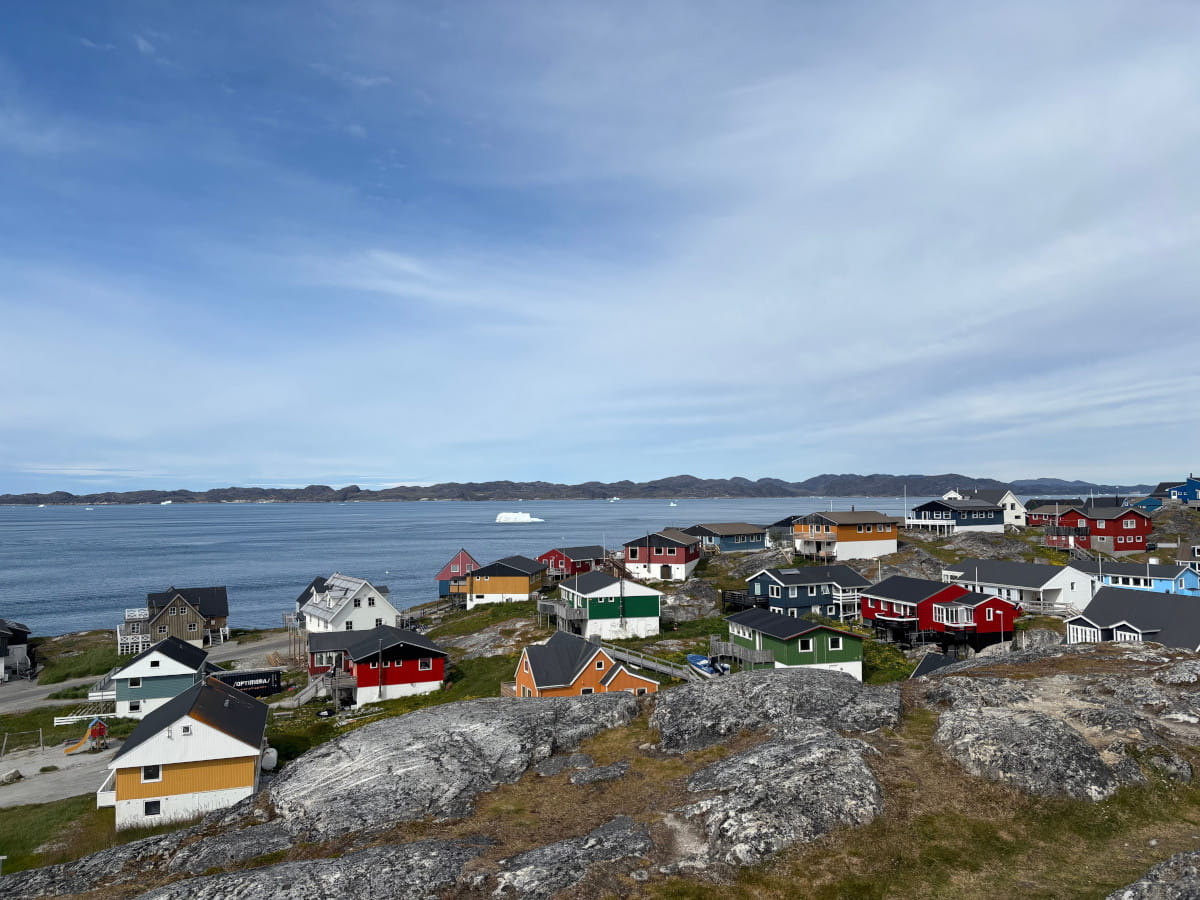
Nuuk, Greenland. Photo: Pexels
For Greenland, however, the significance of the package will ultimately depend on how the investments translate into projects on the ground.
The focus on housing, communications, renewable energy, tourism and small businesses connects broader geopolitical interests with practical development needs. At the same time, cooperation on critical raw materials and infrastructure places Greenland within wider European discussions about economic security and resilient supply chains.
The new Joint Declaration builds on a long-standing EU-Greenland relationship while adapting it to a rapidly changing Arctic environment. The European Commission describes the approach as one designed around Greenland’s own needs and priorities, combining sustainable development with stronger economic resilience.
With €200 million committed for 2026 and 2027, the partnership represents one of the clearest recent signs that the EU intends to deepen its engagement with Greenland — not only as an Arctic neighbour, but as an increasingly important partner in the future of the region.
Sources: European Commission, Euronews.
The tags below provide an opportunity to view previously posted related news within the selected category